
Subtotal $0.00

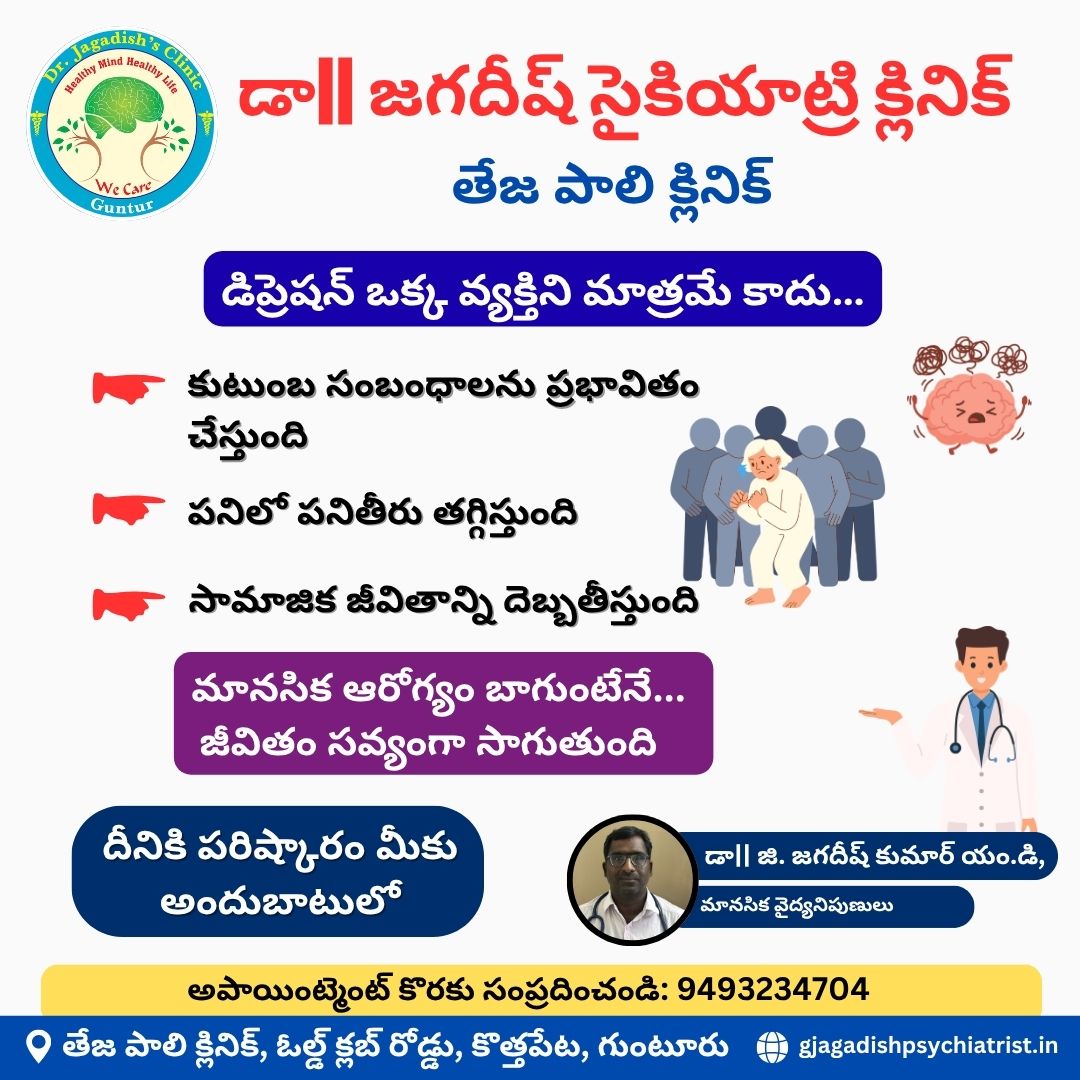

Is Depression Curable ? Depression is one of the most common mental health conditions worldwide, affecting millions of people, including a large population in India. Many people often ask an important question: “Is depression curable?”
The answer is encouraging — yes, depression is treatable and manageable, and with the right care, many individuals recover and lead healthy, fulfilling lives.
What is Depression?
డిప్రెషన్ అంటే ఏమిటి?
Depression is not just temporary sadness or emotional weakness. It is a serious medical condition that affects how a person thinks, feels, and behaves. It can last for weeks, months, or even longer if left untreated.
People with depression may lose interest in activities they once enjoyed and may struggle to function in daily life.
“డిప్రెషన్ బలహీనత కాదు… ఇది ఒక చికిత్స చేయగలిగే సమస్య.”
Is Depression Curable?
This is the most common concern among patients and families.
 Key Insight:
Depression is highly treatable
Many people experience complete recovery
Others may need ongoing support to manage symptoms
With early diagnosis, proper treatment, and support, individuals can regain control over their lives.
“సరైన చికిత్సతో డిప్రెషన్ పూర్తిగా నియంత్రించవచ్చు.”
Common Symptoms of Depression
డిప్రెషన్ లక్షణాలు
Depression can present with a mix of emotional, physical, and behavioral symptoms:
Persistent sadness or low mood
Loss of interest in daily activities
Fatigue or low energy
Sleep disturbances (too much or too little)
Changes in appetite
Difficulty concentrating
Feelings of guilt or worthlessness
Irritability or restlessness
“సంతోషంగా ఉండే విషయాల్లో కూడా ఆసక్తి తగ్గిపోవడం డిప్రెషన్ లక్షణం.”
If these symptoms last more than two weeks, it is important to seek professional help.
Why Depression is a Public Health Issue
ఇది ఎందుకు ప్రజా ఆరోగ్య సమస్య?
Depression does not affect just one individual — it impacts the entire ecosystem around them:
Family relationships may suffer
Work productivity decreases
Social interactions reduce
Physical health may decline
Untreated depression can lead to serious complications, including worsening mental health.
“ఒక్కరి మానసిక ఆరోగ్యం… కుటుంబం మొత్తాన్ని ప్రభావితం చేస్తుంది.”
When to Seek Help?
ఎప్పుడు వైద్యుడిని సంప్రదించాలి?
You should consult a mental health professional if:
Symptoms persist for more than 2 weeks
Daily functioning becomes difficult
Sleep and appetite are affected
Negative thoughts increase
Feelings of hopelessness grow
 Immediate help is needed if there are thoughts of self-harm or suicide.
“ఈ ఆలోచనలు వచ్చినప్పుడు వెంటనే సహాయం తీసుకోవాలి.”
Treatment Options: Can Depression Be Cured?
Here is a clear overview:
| Aspect | Details |
|---|---|
| Is Depression Curable? | Yes, it is treatable and often curable with proper care |
| Medications | Antidepressants help balance brain chemicals |
| Counselling | Psychotherapy helps manage thoughts and emotions |
| Lifestyle Changes | Exercise, sleep, and healthy habits improve recovery |
| Family Support | Emotional support plays a key role |
| Recovery Time | Varies from person to person |
| Relapse Prevention | Regular follow-ups and continued care |
Importance of Early Treatment
Early intervention plays a critical role in recovery. The sooner depression is identified and treated, the better the outcomes.
Ignoring symptoms can make the condition worse, while timely care can lead to faster improvement.
Breaking the Stigma
Even today, many people hesitate to seek help due to stigma or lack of awareness. It is important to understand:
Depression is not a weakness
It is a medical condition
Seeking help is a sign of strength
“సమస్యను దాచిపెట్టకుండా… సహాయం తీసుకోవడం ధైర్యం.”
Can Depression Come Back After Treatment?
One common question people ask is: If depression is curable, can it come back?
The answer is — depression can recur in some individuals, especially if treatment is stopped early or if there are ongoing stressors. However, with proper treatment, regular follow-ups, and lifestyle changes, the risk of relapse can be significantly reduced.
Doctors often recommend continuing treatment for some time even after symptoms improve to prevent relapse. This is called maintenance treatment.
Risk Factors for Depression
Understanding risk factors helps in early identification and treatment.
Common risk factors include:
- Family history of depression
- Major life stress (loss, financial problems, relationship issues)
- Chronic medical conditions (diabetes, thyroid problems, heart disease)
- Pregnancy and postpartum period
- Substance use (alcohol, drugs)
- Lack of social support
- Work stress and lifestyle changes
People with these risk factors should pay special attention to their mental health.
Final Thoughts
So, is depression curable?
Yes — with the right combination of treatment, support, and awareness, depression can be effectively managed and often completely cured.
Mental health is just as important as physical health. Taking the first step toward help can change lives — not just for the individual, but for their family and community as well.