
Subtotal $0.00

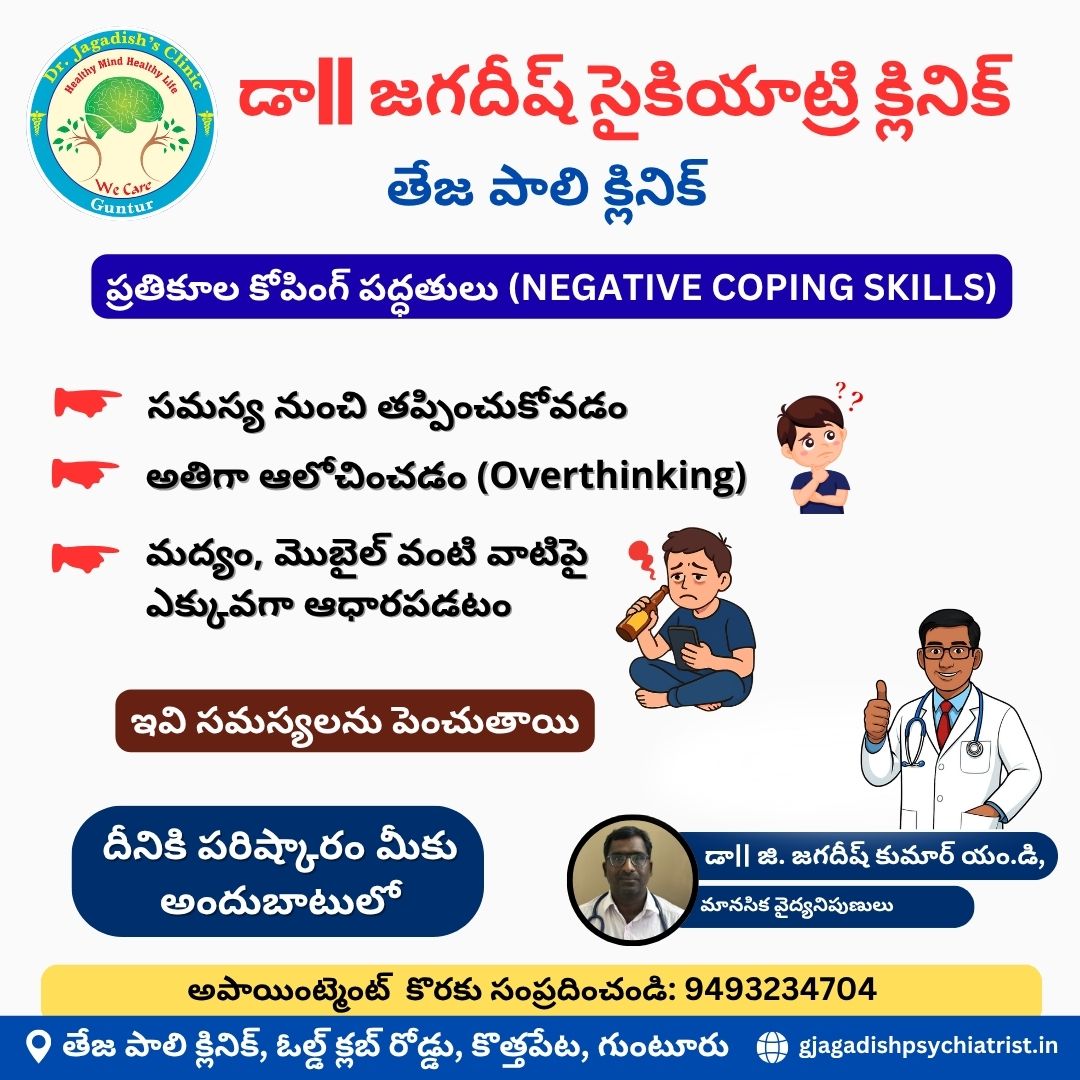

Coping mechanisms are the ways people deal with stress, anxiety, and emotional pain. But not all coping strategies are healthy. Many individuals unknowingly develop negative coping mechanisms, which may provide temporary relief but can worsen mental health over time.
If you’re wondering how to stop overthinking and manage anxiety, the first step is recognizing these harmful patterns.
“Temporary relief may feel comforting… but it can turn into a bigger problem later.”
Common Negative Coping Mechanisms People Use
1. Avoidance (Ignoring Problems)
Avoidance is one of the most common negative coping strategies. Instead of addressing issues, people try to escape them.
Ignoring responsibilities
Postponing important decisions
Avoidance may reduce stress temporarily, but unresolved problems often grow bigger.
“Running away from problems only makes them stronger.”
2. Overthinking (Primary Concern)
Overthinking is repeatedly analyzing the same situation without reaching a solution. It leads to stress, confusion, and mental exhaustion.
If you’re searching for how to deal with overthinking and anxiety, you need to break this cycle early.
“Thinking too much about the same issue drains your mind.”
3. Social Withdrawal
Avoiding friends, family, or social interactions can increase loneliness and emotional distress.
Isolation increases negative thoughts
Lack of support worsens anxiety
“Being alone often amplifies overthinking.”
4. Substance Use
Using alcohol, smoking, or drugs as a way to cope with stress is harmful.
Temporary relief
Long-term damage to mental and physical health
“These habits don’t solve problems—they create new ones.”
5. Excessive Screen Use
Spending too much time on mobile phones or social media to escape reality is another common issue.
Reduces productivity
Increases anxiety and comparison
“Escaping into screens doesn’t solve real-life stress.”
6. Emotional Suppression
Hiding or suppressing emotions may seem like strength, but it leads to internal stress buildup.
“Unexpressed emotions eventually turn into mental pressure.”
7. Anger Outbursts
Reacting with anger instead of understanding emotions can harm relationships and increase stress.
“Uncontrolled anger damages both mental health and relationships.”
8. Self-Blame
Constantly blaming yourself reduces confidence and increases anxiety and depression.
Negative self-talk
Feelings of guilt
“Self-criticism weakens your emotional strength.”
9. Overeating or Undereating
Food is often used to cope with emotions.
Emotional eating
Loss of appetite due to stress
“Using food to manage emotions creates imbalance.”
10. Lack of Routine
Irregular sleep, eating habits, and daily routines can worsen mental health conditions.
“A disorganized routine leads to a disorganized mind.”
Why It Matters
Negative coping mechanisms may feel helpful in the short term, but over time they lead to:
Increased stress and anxiety
Poor mental health
Relationship problems
“Short-term comfort… but long-term damage.”
How to Stop Overthinking and Build Healthy Coping Skills
If you’re struggling with overthinking and anxiety, here are a few starting points:
Practice mindfulness and grounding techniques
Talk to trusted friends or family
Maintain a daily routine
Limit screen time
Seek professional guidance
Learning how to stop overthinking requires consistent effort and the right support system.
Seek Professional Help in Guntur
If you frequently experience anxiety, stress, or negative coping habits, consulting a professional can help you develop healthier strategies.
For expert care, you can visit: Dr Jagadish kumar Psychiatry Clinic
 c/o Teja Polyclinic, Old Club Road, Kothapet, Guntur
 094932 34704
Dr. G. Jagadish Kumar, MD (Psychiatry), is known as one of the best mental health doctors in Guntur, offering effective anxiety treatment in Guntur and depression treatment in Guntur.
“With the right guidance, you can learn healthier ways to cope.”
Final Message
Recognizing negative coping mechanisms is the first step toward change. Whether it’s overthinking, avoidance, or emotional suppression, awareness can help you take control.
If you truly want to learn how to stop overthinking and improve your mental health, start small, stay consistent, and don’t hesitate to seek help.
“Choose the right path… and both your mind and life will improve.”